Why Dancers Care About Fascia
Madison Tango Society | JAN 22, 2024
Why Dancers Care About Fascia
Madison Tango Society | JAN 22, 2024
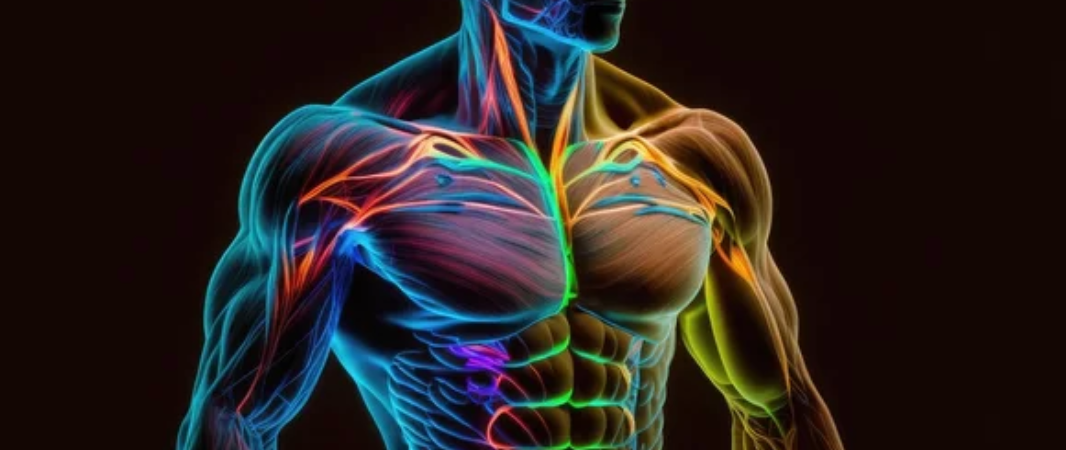
As experts learn more about the composition of human bodies, they are discovering that fascia is more important than previously thought. Fascia? It’s the tough, flexible tissue that surrounds and connects muscles, bones and organs like cling wrap
In recent years, the concept of fascia care to make fascia more supple has permeated fitness and wellness culture. Products claim to improve fascia agility, and yes, there’s a connection between fascia and athletic performance.
Until the early 2000s, though, doctors understood fascia to be just packaging for more important body parts. Since that time, researchers have discovered that this connective tissue is key to flexibility and range of motion. Emerging research suggests that fascia care may help treat chronic pain, improve exercise performance and overall well-being.
“We’re still at the very, very beginning” of understanding fascia, said Helene Langevin, the director of the National Center for Complementary and Integrative Health at the National Institutes of Health.
There are 2 forms of fascia in your body: dense and loose. Each type helps to facilitate movement.
Dense fascia can give your body shape and are made of sturdy collagen fibers. It holds muscles, organs, blood vessels and nerve fibers in place. It helps your muscles contractions and stabilizes your joints.
The more slippery loose fascia allows your muscles, joints and organs to slide and glide against one another like a well-oiled machine.
An anatomy professor named Carla Stecco at the University of Padova in Italy found in 2007, that fascia is replete with nerve endings. This means fascia has capacity to be a source of pain. The longer it is inflamed or damaged, the more its sensitivity can increase.
Fascia can shorten, become overly rigid and congeal into place, forming adhesions that limit mobility if you’re sedentary for a long time. Inactivity over time can also lead fascia to reshape. If you spend your days bent over a keyboard, the fascia around your neck and shoulders may curve your posture.
Fascia can also become damaged, inflamed, overly rigid or stuck together from repetitive movements, chronic stress, injury or surgery. And fascia can stiffen with age.
It can be tricky to determine whether pain is coming from your fascia or your muscles and joints. Generally, muscle and joint problems tend to feel worse the more you move, while fascia pain lessens with movement.
Staying active is the most effective way to keep your fascia sturdy and elastic. Experts also recommend a few things in particular.
Even so, simply staying active may be the best medicine.
Madison Tango Society | JAN 22, 2024
Share this blog post
 OfferingTree